
How You Can Work Towards Better Workplace Wellbeing: A Guide to Manual Handling
Manual Handling
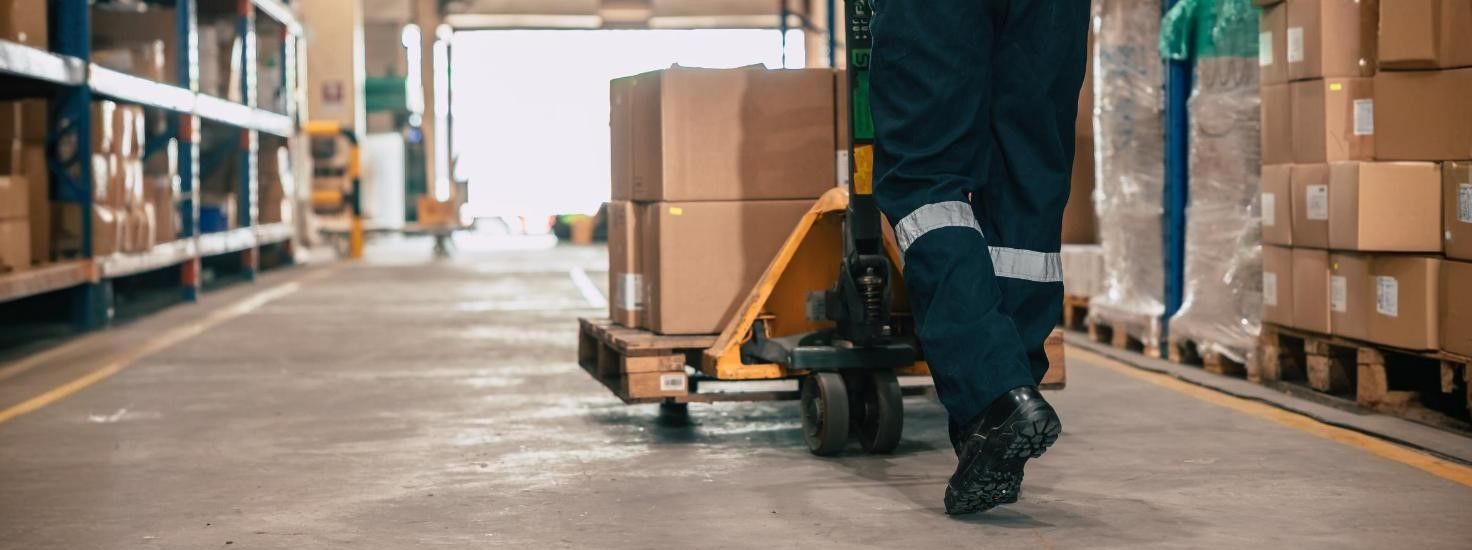
As an employer, occupational safety should always be a non-negotiable priority. However, no matter what industry you’re part of, there’s one thing that can often threaten your team’s wellbeing if done incorrectly: manual handling.
In this blog post, we’re giving you all you need to know to mitigate the risks of manual handling and keep your team safe, well, and happier at work. By giving you insights into identifying and mitigating musculoskeletal injuries, we’re focusing on how you can invest even more thought in keeping your workforce physically and mentally healthy.
Understanding the Different Types of Manual Handling
Manual handling refers to a wide array of physical activities, from lifting and lowering to pushing, pulling, and carrying. The varied nature of loads, ranging from packages and animals to objects in motion, underscores manual handling as a risk that threatens the safety of workers in a wide range of industries, including farms, factories, offices, and hospitals.
Importantly, manual handling is a key contributor to the development of musculoskeletal disorders (MSDs), including upper limb disorders (ULDs) and lower limb disorders (LLDs), such as repetitive strain injuries (RSI) and other joint and soft tissue issues. Work may also cause exacerbation of previous injuries, leading to increased risk for certain demographics of workers. Given these workplace dangers, it is important, as an employer, to assess injury risks, encourage employee reporting, and implement prevention tools that are as effective as possible.
At OFI, we can provide risk assessments for your staff or train members of your team to become in-house risk assessors, helping you to identify risk factors and prevent injuries preemptively, before they escalate. We provide risk assessment training in the following areas:
Get started today!
Contact us today to discuss your manual handling training needs and discover how OFI can support your organisation in building a safer, more productive workforce.